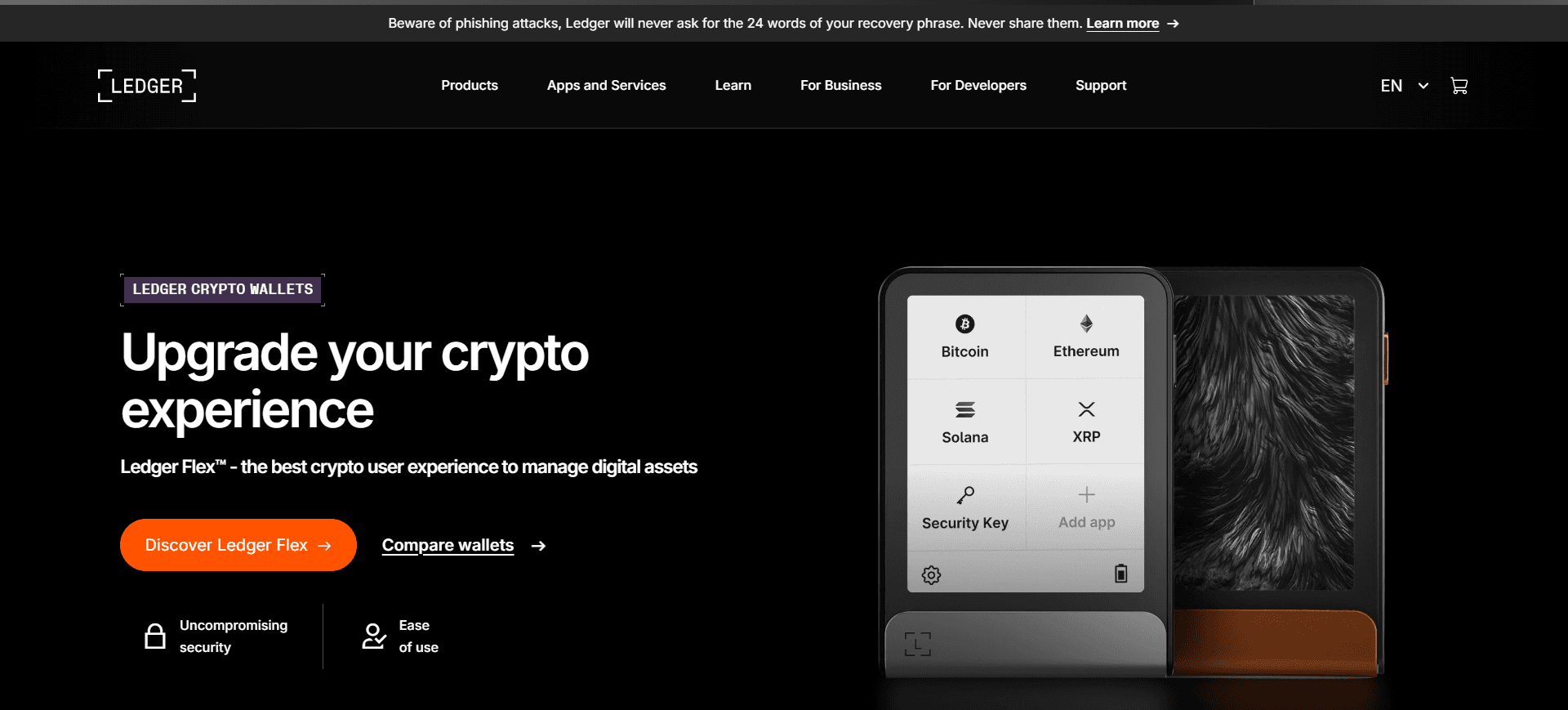
Ledger.com/Start Guide: Everything You Need to Know Before Using a Ledger Wallet
As cryptocurrency becomes more mainstream, the need for strong self-custody solutions continues to grow. Unlike traditional financial systems, crypto transactions are irreversible and accounts are not protected by centralized institutions. This means users must take full responsibility for securing their assets. Hardware wallets exist to meet this need, and Ledger is one of the most widely adopted solutions worldwide.
If you have reached ledger.com/start, you are beginning the official activation process for a Ledger hardware wallet. This guide explains what the page is designed for, how the setup process works, and which security practices are essential for long-term protection of digital assets.
Understanding Ledger Hardware Wallets
A Ledger wallet is a physical device that stores cryptocurrency private keys in a protected, offline environment. Instead of keeping sensitive data on an internet-connected device, Ledger uses a secure chip that isolates private keys from potential online threats.
With a Ledger wallet, users can:
Keep private keys offline at all times
Approve transactions manually on the device
Manage multiple cryptocurrencies from one interface
Safely interact with decentralized platforms
Because transactions must be physically confirmed, unauthorized transfers are significantly harder to execute.
What Is the Purpose of Ledger.com/Start?
ledger.com/start is the official onboarding page created by Ledger for new users. Its purpose is to guide users through a secure and verified setup process.
This page helps users:
Download authentic Ledger software
Confirm the device has not been tampered with
Initialize a new wallet correctly
Learn basic safety rules before handling crypto
Using unofficial guides or links increases the risk of phishing and asset loss.
Ledger Devices Supported by Ledger.com/Start
The setup process on ledger.com/start applies to all modern Ledger wallets, including:
Ledger Nano S Plus
USB-only connectivity
Simple, reliable design
Suitable for secure storage
Ledger Nano X
USB and Bluetooth support
Mobile device compatibility
Larger application storage
Although features differ slightly, the security principles behind setup remain the same.
Step 1: Confirm the Device Is New
Before turning on the Ledger wallet, inspect the packaging and contents carefully.
A Genuine Ledger Package Includes:
Ledger hardware wallet
USB cable
Blank recovery phrase sheets
Instruction materials
Ledger devices are never shipped with a preset PIN or recovery phrase. If any security information appears pre-configured, do not use the device.
Step 2: Access Ledger.com/Start Safely
Open a browser and manually type:
ledger.com/start
Avoid clicking links from emails, advertisements, or search results that look suspicious. Many scams rely on imitation websites that appear legitimate.
Once on the page, select your device model and operating system.
Step 3: Install Ledger Live
Ledger Live is the official application used to manage Ledger wallets.
Ledger Live Functions
Install and manage blockchain apps
Create and organize accounts
View balances and transaction history
Send and receive cryptocurrency
Update device firmware
Only download Ledger Live from Ledger’s official website.
Step 4: Initialize the Wallet
After installing Ledger Live:
Connect the Ledger device
Turn it on
Choose “Set up as new device”
Create a PIN code
The PIN protects the device from unauthorized access. Multiple incorrect attempts will trigger a device reset.
Step 5: Back Up the Recovery Phrase
During setup, the Ledger device displays a 24-word recovery phrase. This phrase is the only backup for the wallet.
Recovery Phrase Best Practices
Write the words down in the correct order
Store them offline only
Keep them private and secure
Never share them with anyone
Never enter them on websites or apps
Ledger will request confirmation of the phrase to ensure it was recorded correctly.
Anyone with access to this phrase can control your assets.
Step 6: Verify Device Authenticity
Ledger Live performs an automatic authenticity check that confirms:
The secure element chip is genuine
The firmware is official
The device has not been altered
If verification fails, stop using the device and contact Ledger through official support channels.
Step 7: Install Cryptocurrency Applications
Each blockchain requires a specific app installed on the Ledger device.
Popular examples include:
Bitcoin
Ethereum
Litecoin
Solana
Apps can be installed, removed, and reinstalled without affecting stored assets.
Step 8: Add Accounts in Ledger Live
Accounts allow Ledger Live to track balances and transactions on the blockchain.
After installing an app:
Add an account for that asset
Synchronize with the network
View transaction history
Multiple accounts can be created for the same cryptocurrency if needed.
How to Receive Cryptocurrency
To receive digital assets:
Open Ledger Live
Select the correct account
Click “Receive”
Verify the address on the Ledger screen
Share the address with the sender
Always confirm the address directly on the device to prevent manipulation.
How to Send Cryptocurrency
To send crypto:
Enter recipient details in Ledger Live
Review the transaction information
Approve the transaction on the Ledger device
No transaction can be completed without physical confirmation.
Using Ledger With Web3 Applications
Ledger wallets can be connected to decentralized platforms through:
Browser wallet integrations
WalletConnect
Web3-enabled services
Private keys remain protected inside the Ledger device even when interacting with smart contracts.
Firmware Updates and Device Maintenance
Ledger periodically releases firmware updates to improve security and compatibility.
Before Updating:
Confirm your recovery phrase is safely backed up
Use Ledger Live only
Keep the device connected until the update finishes
Proper updates do not affect stored assets.
Common Errors to Avoid
Sharing the recovery phrase
Saving recovery words digitally
Installing unofficial software
Responding to fake support messages
Skipping address verification
Ledger will never ask for your recovery phrase.
What Happens If the Device Is Lost?
If the Ledger device is lost but the recovery phrase is secure:
Purchase a replacement Ledger
Select “Restore from recovery phrase”
Enter the 24-word phrase
Your wallet and assets will be restored.
If the recovery phrase is lost, funds cannot be recovered.
Getting Official Support
For help:
Visit Ledger’s official website
Use the support section in Ledger Live
Avoid unsolicited messages on social media
Always confirm that support resources come from a legitimate Ledger domain.
Summary
Using ledger.com/start ensures that your Ledger wallet is set up using official, verified instructions. Each step in the process is designed to protect your digital assets and reduce security risks. When combined with responsible recovery phrase storage and cautious online behavior, a Ledger wallet offers one of the most reliable ways to manage cryptocurrency securely.