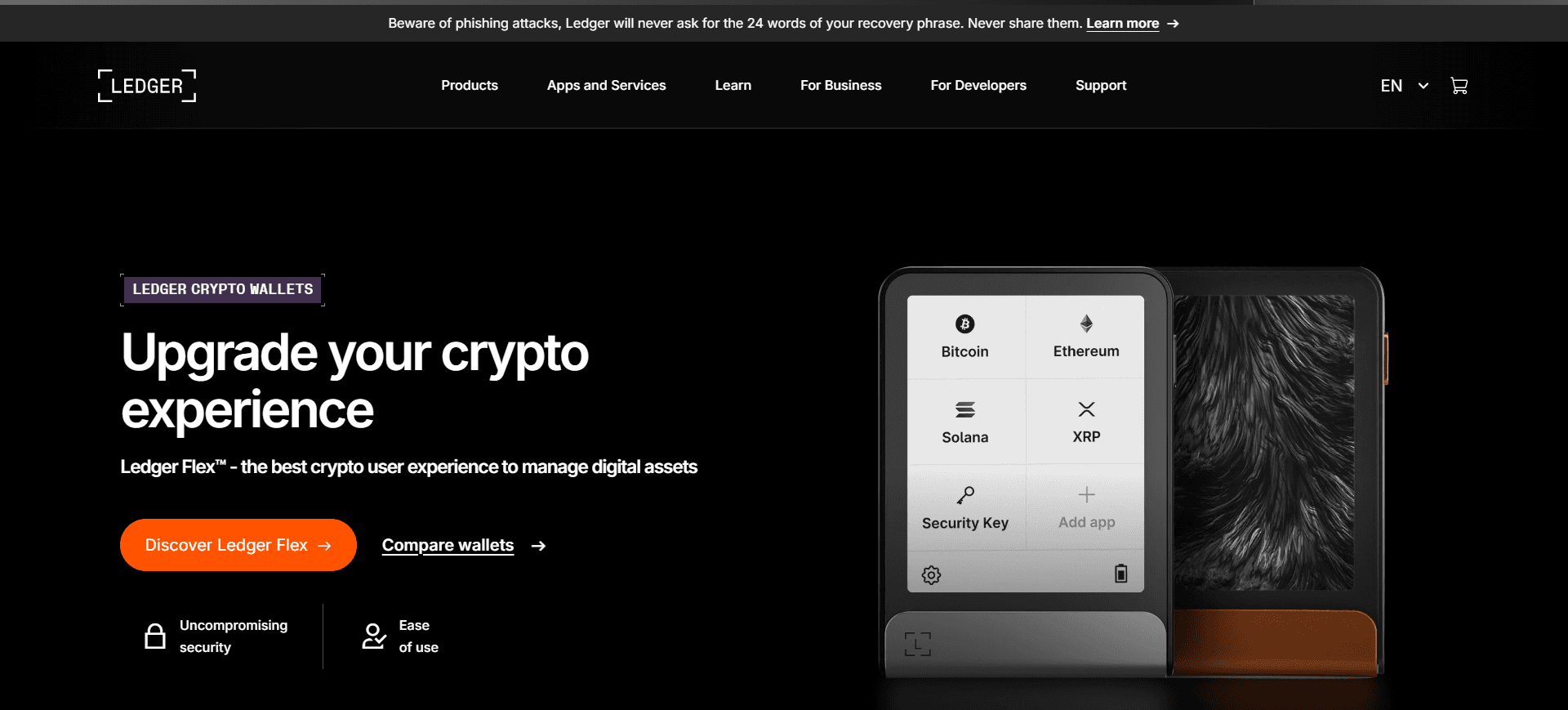
Ledger.com/Start Overview: A Complete Introduction to Setting Up a Ledger Wallet
Cryptocurrency ownership comes with full control—and full responsibility. Unlike traditional financial systems, there is no central authority that can reset passwords or reverse transactions. Because of this, secure storage is essential. Hardware wallets were created to solve this problem by keeping sensitive information offline, and Ledger is one of the most established hardware wallet providers available today.
If you are visiting ledger.com/start, you are about to begin the official setup process for a Ledger hardware wallet. This guide explains what the page is for, how the setup process works, and which security practices are necessary to protect your digital assets over time.
Introduction to Ledger Hardware Wallets
A Ledger wallet is a physical device designed to protect cryptocurrency private keys. These keys are created and stored inside a secure element chip and never leave the device. Even when the wallet is connected to a computer or smartphone, the private keys remain isolated.
Ledger wallets are commonly used for:
Secure long-term storage of crypto assets
Manual approval of transactions
Managing multiple blockchain networks
Safe interaction with decentralized platforms
This design greatly reduces exposure to online threats such as malware, phishing, and remote attacks.
What Ledger.com/Start Is Used For
ledger.com/start is Ledger’s official setup and onboarding portal. It exists to guide users through a safe and verified initialization process.
Through this page, users can:
Download the official Ledger Live application
Confirm that their device is authentic
Create a new wallet securely
Learn important security principles
Using the official start page helps prevent mistakes and protects users from fraudulent websites that attempt to steal recovery phrases.
Supported Ledger Wallet Models
The ledger.com/start process applies to all current Ledger hardware wallets, including:
Ledger Nano S Plus
USB connection
Simple interface
Designed for secure storage
Ledger Nano X
USB and Bluetooth connectivity
Mobile compatibility
Larger internal storage
While the hardware features differ, the setup steps follow the same security standards.
Step 1: Inspect the Ledger Device and Packaging
Before connecting your Ledger wallet, carefully examine the packaging and contents.
A New Ledger Box Includes:
Ledger hardware wallet
USB cable
Blank recovery phrase cards
Setup documentation
Ledger devices are never shipped with a pre-written recovery phrase or preset PIN. If you notice anything already configured, the device should not be used.
Step 2: Open Ledger.com/Start Securely
Using a trusted browser, manually enter:
ledger.com/start
Avoid links from emails, messages, or online ads. Fake setup pages are a common tactic used by scammers.
Once on the website, select your device model and operating system to continue.
Step 3: Install the Ledger Live Application
Ledger Live is the official software used to manage Ledger wallets.
Ledger Live Allows You To:
Install and manage blockchain apps
Create and organize accounts
View balances and transaction history
Send and receive cryptocurrency
Update device firmware
Only install Ledger Live from the official Ledger website.
Step 4: Initialize a New Wallet
After opening Ledger Live:
Connect the Ledger device
Turn it on
Select “Set up as new device”
Choose a PIN code
The PIN protects the device from unauthorized physical access. Multiple incorrect PIN attempts will automatically reset the device for safety.
Step 5: Back Up the Recovery Phrase
During setup, the Ledger device generates a 24-word recovery phrase. This phrase is the master backup for the wallet.
Recovery Phrase Rules
Write the words down in the correct order
Store them offline
Keep them private and secure
Never share them
Never enter them on websites or apps
Ledger will ask you to verify the phrase to ensure it was recorded accurately.
Anyone with access to this phrase can control your funds.
Step 6: Device Authenticity Verification
Ledger Live performs an automatic verification to confirm:
The secure element chip is genuine
The firmware is official
The device has not been modified
If the verification fails, stop the setup process and contact Ledger through official support channels.
Step 7: Install Cryptocurrency Applications
Each blockchain requires its own app installed on the Ledger device.
Examples include:
Bitcoin
Ethereum
Litecoin
Solana
Apps can be installed, removed, and reinstalled without affecting stored funds.
Step 8: Add Accounts in Ledger Live
Accounts allow Ledger Live to track assets on the blockchain.
After installing an app:
Add an account
Sync with the blockchain
View balances and transactions
You can create multiple accounts for the same cryptocurrency if needed.
Receiving Cryptocurrency
To receive crypto:
Open Ledger Live
Select the appropriate account
Click “Receive”
Verify the address on the Ledger screen
Share the address
Always confirm the address directly on the device.
Sending Cryptocurrency
To send crypto:
Enter the recipient details in Ledger Live
Review transaction information
Approve the transaction on the Ledger device
No transaction can be completed without physical confirmation.
Using Ledger With Decentralized Applications
Ledger wallets can connect to decentralized applications through:
Browser wallet integrations
WalletConnect
Web3-enabled platforms
Private keys remain securely stored on the Ledger device during all interactions.
Firmware Updates and Maintenance
Ledger regularly releases firmware updates to improve security and compatibility.
Before Updating:
Confirm your recovery phrase is backed up
Use Ledger Live only
Keep the device connected until the update finishes
Correct updates do not affect stored assets.
Common Security Mistakes
Avoid the following:
Sharing recovery phrases
Saving recovery words digitally
Installing unofficial software
Trusting unsolicited support messages
Skipping address verification
Ledger will never request your recovery phrase.
If the Ledger Device Is Lost
If the device is lost but the recovery phrase is safe:
Purchase a new Ledger wallet
Select “Restore from recovery phrase”
Enter the 24-word phrase
Your wallet and funds will be restored.
Without the recovery phrase, recovery is impossible.
Accessing Official Support
For help:
Visit Ledger’s official website
Use support tools inside Ledger Live
Avoid unofficial social media accounts
Always verify that you are using a legitimate Ledger domain.